How Much Does Tree Removal Cost? Complete Breakdown & Tips for Finding Services Near You
Removing a tree from your property can be a necessary step for safety, landscaping, or construction purposes. However, understanding tree removal cost and knowing how to find a reliable tree removal service near you can be challenging for homeowners. Tree removal is not only labor-intensive but can also pose risks if not done properly, so planning and choosing the right service is essential. This guide will break down the costs involved, factors affecting pricing, what to expect from professional services, and tips to find a trustworthy tree removal company near you.
Understanding Tree Removal Costs
The cost of tree removal can vary significantly depending on various factors. On average, tree removal can cost anywhere from $200 to $2,000. This range depends on the tree's size, location, condition, and whether additional services are required, such as stump grinding or debris removal.
Key Factors That Affect Tree Removal Cost
- Tree Size Small trees (under 30 feet): Generally cost between $200 and $500. These are usually easier to remove due to their size and lower risk. Medium trees (30–60 feet): These typically cost between $500 and $1,000. These trees may require more time and equipment to safely remove. Large trees (over 60 feet): These can cost between $1,000 and $2,000 or more. Large trees often require cranes, specialized equipment, and more labor to safely bring down.
- Tree Type The type of tree being removed can influence the cost. Hardwoods such as oak and maple are denser and require more time and effort to remove, which may increase the overall cost. Softwoods like pine are easier to cut and generally cost less to remove.
- Tree Condition Healthy trees are typically easier and safer to remove compared to dead, diseased, or leaning trees. Trees that are in poor health may require more safety measures and additional equipment to handle the risks associated with removal, resulting in higher costs.
- Location and Accessibility Trees that are near structures, power lines, or fences often require more planning and equipment to safely remove. Additionally, trees located in hard-to-reach areas may require additional effort, increasing the overall cost.
- Additional Services Many tree removal companies offer additional services, such as stump removal, debris hauling, and tree pruning, which can significantly increase the total cost. Stump grinding, in particular, can add anywhere from $100 to $500 depending on the size of the stump and location.
The Tree Removal Process
The process of removing a tree involves multiple steps, which require careful planning and execution. Here is an overview of the typical tree removal process:
- Initial Assessment A professional arborist or tree removal specialist will inspect the tree to determine its size, condition, and the safest way to remove it. The assessment includes checking for nearby structures or obstacles that could affect the removal process.
- Preparing the Site Workers will prepare the site by securing the area with safety barriers, ropes, and possibly cranes, depending on the tree size. The area will be cleared of any obstructions to ensure the workers' safety.
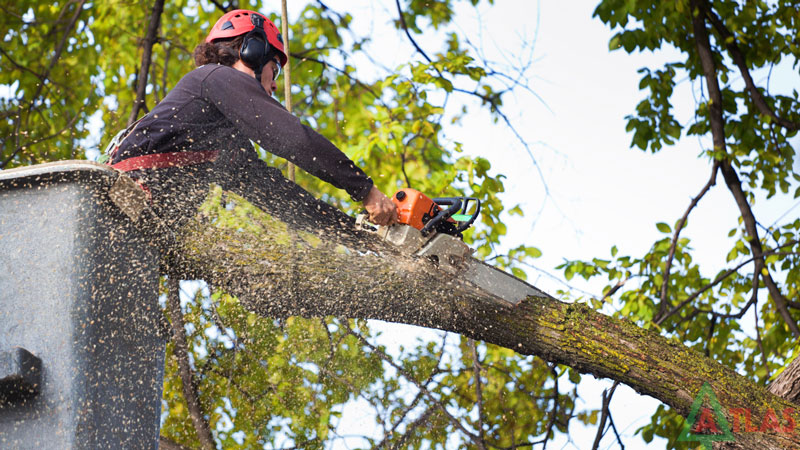
- Cutting the Tree The tree removal team will begin by cutting away smaller branches and limbs to reduce weight and improve maneuverability. The main trunk will be cut down in sections, typically starting from the top down.
- Tree Removal and Cleanup Once the tree has been safely cut down, the removal team will break it into smaller pieces for easy hauling away. They will also remove any debris and clean up the site, leaving your property as tidy as possible.
How to Find Tree Removal Services Near Me
When it comes to tree removal, it's essential to hire a professional arborist or tree removal company that you can trust. Here’s how to find a reliable tree removal service near you:
1. Research Local Tree Removal Companies
- Start by searching for tree removal companies in your area. A simple search like "tree removal near me" can help you locate nearby services. Be sure to check reviews, ratings, and feedback from previous clients to gauge their professionalism.
2. Verify Credentials and Insurance
- A reputable tree removal company will be fully licensed and insured. This protects both you and the company in case of accidents or damage during the tree removal process. Make sure to ask for proof of insurance and verify that the company is licensed to operate in your state.
3. Get Multiple Estimates
- It’s a good idea to get at least 2-3 quotes from different tree removal companies to compare prices and services. This will help you make an informed decision based on both cost and service quality.
4. Ask About Equipment and Experience
- Tree removal requires specialized equipment like cranes, chainsaws, and stump grinders. Ensure that the company has the necessary tools and that their team is experienced in handling trees of your size and condition.
5. Check for Emergency Services
- In cases where a tree poses an immediate threat (for example, after a storm or due to severe leaning), look for companies that offer emergency tree removal services. These services may come at a premium, but they are important in urgent situations.
What to Expect After Tree Removal
After the tree has been removed, you may need additional services such as:
- Stump Removal: The stump may remain after the tree is cut down, and it can be removed through grinding. If you want the stump removed, be sure to discuss this with the tree removal company beforehand.
- Tree Debris Removal: While most companies will haul away the tree debris, some may charge an additional fee for this service. If you plan to keep the wood for firewood, let the company know in advance.
- Post-Removal Landscape Adjustments: If you removed a tree to make space for new landscaping, you might need help with soil conditioning or planting new trees.
Conclusion
Tree removal is an essential service for homeowners dealing with dangerous, overgrown, or unwanted trees. The cost of removal can vary depending on factors like tree size, condition, and location. By understanding the key elements that affect tree removal pricing, you can better estimate costs and make informed decisions when hiring a tree removal company.
Finding a reputable tree removal service near you is crucial to ensuring a safe and efficient process. Always take the time to check reviews, verify credentials, and get multiple quotes. With careful planning, you can manage the tree removal process smoothly and avoid costly surprises.